
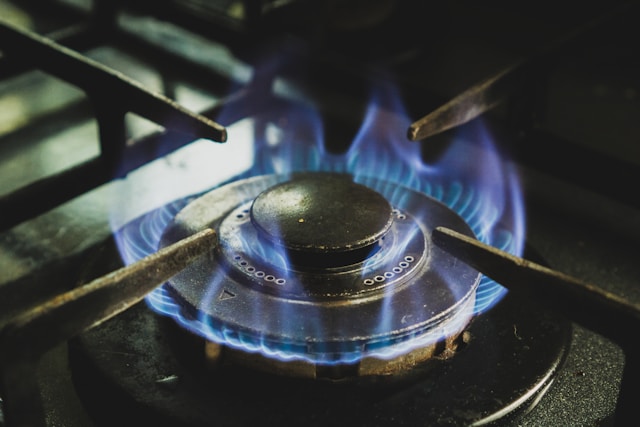
Gas appliances are convenient, efficient, and common in Canadian homes. They can also introduce risks that don’t exist with many ordinary electrical appliances.
That distinction matters when something goes wrong.
A gas range that won’t ignite might seem like a simple inconvenience. A gas dryer that stops heating might look like a routine appliance problem. But gas connections, burners, valves, ignition systems, and combustion components should not be treated like ordinary DIY repairs.
The first rule is simple: if you smell gas, don’t start troubleshooting the appliance.
Leave the area and follow the emergency guidance provided by your gas utility or local authorities. Avoid creating sparks or operating electrical switches if you suspect a gas leak. The appliance can be inspected once the situation is safe.
For non-emergency problems, professional diagnosis is still the better option.
A gas appliance may fail because of an igniter, sensor, valve, control, burner assembly, airflow problem, or another component. Replacing the wrong part can leave the underlying issue unresolved and potentially create a safety concern.
Qualified technicians also understand that gas appliances need to be installed and repaired according to applicable requirements. This is particularly important when an appliance is being replaced or moved.
Homeowners should ask whether the company performing the work is appropriately qualified for gas appliance service. In Ontario, gas-related work is subject to specific regulatory requirements, so choosing someone simply because they advertise general handyman services isn’t necessarily appropriate.
There are also signs that should never be ignored. Yellow or unusual flames, soot around burners, repeated ignition failures, unusual odours, unexplained shutdowns, or signs of overheating all deserve attention.
Regular maintenance can help as well. Keep burner areas clean according to manufacturer instructions, avoid blocking ventilation openings, and don’t store combustible materials immediately beside heat-producing appliances.
The same principle applies to gas dryers. A dryer that takes much longer than usual to dry clothes may have an airflow problem, and restricted exhaust can cause heat to accumulate. Cleaning the lint filter after every load is basic maintenance, but it doesn’t replace inspection of the complete exhaust system when performance changes.
If a gas range, oven, or dryer develops a fault, don’t judge the seriousness of the problem solely by the price of the appliance. Safety should come first.
For homeowners searching for appliance repair Bradford, it makes sense to confirm that the technician is properly qualified for the specific type of gas work required.
A qualified repair doesn’t just restore the appliance’s function. It should also leave the homeowner confident that the appliance has been serviced appropriately and that obvious safety concerns have been addressed.
Gas appliances are not the place to experiment. When in doubt, shut the appliance down and get qualified help.
