
In South Florida’s super steamy, storm-prone environment, mold isn’t just some cosmetic nuisance—it’s a potential health hazard lurking in homes after leaks, floods, or prolonged humidity. In this region of the country, common indoor molds like Aspergillus and Stachybotrys chartarum (often called black mold) thrive in these conditions, releasing mold spores into the air that can trigger allergic reactions, respiratory irritation, and other issues when inhaled.
Health authorities, including the EPA and CDC, note that exposure to mold in damp indoor spaces is linked to upper respiratory symptoms such as coughing, wheezing, nasal congestion, and throat irritation—even in otherwise healthy individuals. For people with asthma, it can worsen symptoms and trigger attacks.
Those with allergies may experience heightened sneezing, itchy eyes, or skin rashes. Vulnerable groups, including children, the elderly, and folks with compromised immune systems or pre-existing lung conditions often face greater risks, with some studies associating early or prolonged exposure to dampness and mold with increased chances of developing or aggravating asthma.
While severe effects like mycotoxin-related illnesses from species such as Stachybotrys are less common and typically tied to very high exposures, the consensus from health organizations emphasizes that reducing mold presence through prompt remediation lowers overall risks to indoor air quality and occupant well-being.
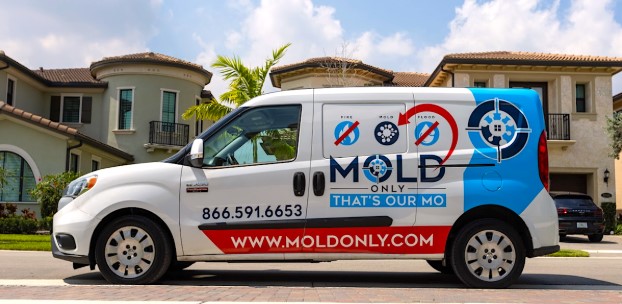
Mold Only, a Florida-licensed and certified mold remediation company with up to date certifications including MRSA1839 for assessments and MRSR1969 for mold remediation, has been addressing these concerns in Palm Beach and Broward counties for nearly 20 years. Serving areas from Tequesta and Jupiter through West Palm Beach, Boca Raton, Delray Beach, and into Fort Lauderdale and Pompano Beach, the locally owned business specializes in residential mold inspections, testing, removal, and full remediation tailored to the region’s many climate challenges.
The company’s professional approach follows established protocols like those from the EPA and IICRC. It starts with comprehensive visual inspections, often using thermal imaging to detect hidden moisture, moisture meters for accurate readings, and borescopes to examine inaccessible spots. This identifies not only visible growth but also the water sources—whether from plumbing failures, roof leaks, poor ventilation, or high ambient humidity—that fuel mold.
Their mold testing services include surface sampling (swabs or tape lifts) and air monitoring to evaluate spore types and levels, providing data to guide targeted action rather than guesswork. During residential mold remediation, containing mold is prioritized with plastic barriers and negative air machines to isolate zones and limit spore dispersal. Their highly experienced technicians remove contaminated porous materials, apply HEPA filtration for cleanup, treat surfaces with registered antimicrobials, and use drying equipment to eliminate lingering moisture.
Post-remediation follow up steps feature verification testing—often air sampling—to confirm spore counts have returned to acceptable baselines, along with detailed reports for homeowners’ records or insurance needs. This thorough verification helps ensure the space is safer for daily living.
For nearly 20 years now, Mold Only, who’s located in Lake Park, FL in Palm Beach County, has emphasized practical, root-cause-focused work to prevent recurrence in South Florida’s demanding conditions, where humidity frequently hovers above ideal levels. They work diligently to address moisture control alongside black mold removal, as their affordable services aim to restore healthier indoor environments without unnecessary extras, earning consistent positive 5-star Google Reviews for reliability, clear explanations, and effective results on major review sites.
For homeowners worried about noticeable musty odors, visible spots, or unexplained respiratory discomfort, professional intervention like with Mold Only can play a key role in reducing exposure and associated health concerns. In a climate where mold opportunities arise quite regularly, proactive removal and remediation stands as a practical step toward safer, more comfortable living spaces.
